
Paul Foster · 23 October 2026
Blueprints Emerge as Tilora Voters Weigh Craft Markets Against River Conservation Priorities
Voters in Tilora face decisions on development blueprints that outline new craft market zones along the river corridor while local authorities compile data on water quality metrics and habitat preservation requirements ahead of October 2026 municipal ballots. Research indicates that craft markets have generated measurable revenue increases for small producers in comparable river towns, yet monitoring stations along the Tilora waterway record rising sediment loads and nutrient runoff that correlate with expanded commercial activity near banks. Observers note that planners have released initial site maps showing clustered vendor stalls and pedestrian pathways positioned at varying distances from the main channel, and these diagrams incorporate buffer zones calibrated to studies on riparian vegetation retention.
Development Plans and Economic Data
Blueprints detail modular structures for craft stalls that could accommodate seasonal vendors selling handmade goods, and figures from regional trade reports show such markets have supported annual sales growth averaging 12 percent in towns with similar population densities. Those who've reviewed the proposals point out that infrastructure elements include improved drainage systems and waste collection points designed to limit direct discharge into the river, while economic analyses project job creation in artisanal sectors without specifying exact numbers. Data from comparable projects elsewhere reveals that markets located within 200 meters of waterways often require engineered solutions to maintain flood resilience, and Tilora officials have referenced these examples when outlining permit conditions tied to the October 2026 review cycle.
Environmental assessments compiled by monitoring teams document baseline conditions in the river, including dissolved oxygen levels and macroinvertebrate populations that serve as indicators of overall health. Studies conducted over the past three years indicate that conservation measures such as vegetated setbacks have helped stabilize banks in upstream sections, and these findings feed directly into the current blueprint revisions that adjust market footprints accordingly. People involved in local data collection emphasize that any expansion of commercial zones must align with thresholds established through ongoing water sampling programs.
Conservation Priorities and Voter Context
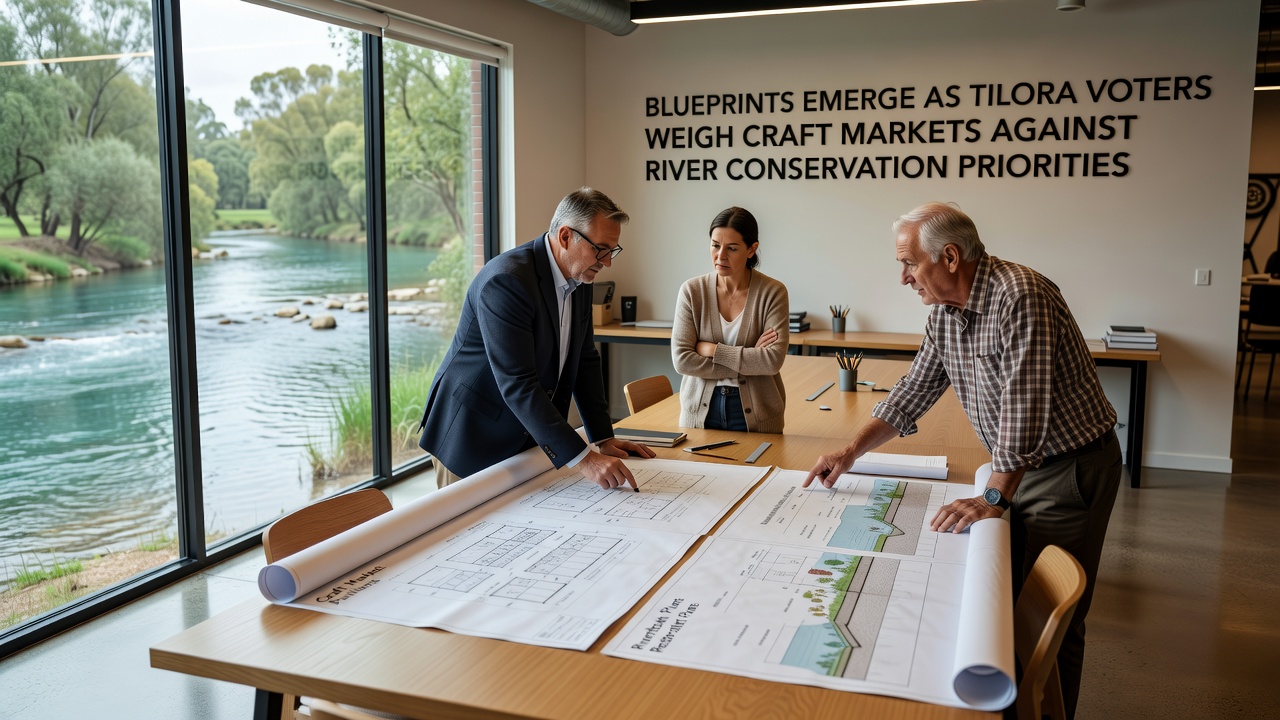
River conservation efforts in Tilora draw on datasets from multiple agencies, and these records highlight seasonal variations in flow rates that affect both recreational use and ecological stability. Blueprints currently under discussion incorporate recommendations from habitat surveys that identify key spawning areas downstream from the proposed sites, and planners have adjusted access roads to avoid sensitive zones. Voters preparing for October 2026 will review summaries that contrast projected market revenues against costs associated with remediation if runoff increases, while community forums have presented side-by-side comparisons of buffer distances and their measured effects on water clarity.
According to reports from the U.S. Environmental Protection Agency, integrated planning approaches in river-adjacent communities have reduced pollutant loads by combining market infrastructure with natural filtration features. Tilora's emerging documents follow similar patterns, and they include provisions for periodic audits that track compliance through the post-construction period. Research from Australian university teams on comparable craft economies shows that digital integration with physical markets can sustain traditions while limiting physical expansion footprints, and local blueprints reference these models when addressing vendor space allocation.
Balancing Factors in the October 2026 Timeline
Local records indicate that craft market participation has grown steadily, supported by heritage techniques passed through generations, and this growth intersects with river management plans that prioritize long-term sediment control. Blueprints released so far specify phased implementation starting after the October 2026 votes, allowing time for additional hydrological modeling if initial layouts require modification. Those tracking the process observe that public input sessions have focused on how market lighting and foot traffic might influence nocturnal wildlife corridors along the banks, and these discussions draw from field observations collected during recent breeding seasons.
Figures compiled by regional planning bodies project that conservation investments paired with market development could maintain current water quality indices provided that setback distances remain above established minimums. Voters receive briefing packets that summarize these projections alongside case examples from European river towns where similar trade-offs produced stable outcomes over five-year monitoring periods. And the reality is that October 2026 serves as the checkpoint where finalized blueprints either advance or undergo further adjustment based on aggregated feedback and updated environmental readings.
Conclusion
Blueprints for Tilora's craft market areas continue to evolve through iterative reviews that incorporate river conservation metrics, and October 2026 marks the point at which voters evaluate these integrated plans against documented ecological and economic indicators. Monitoring continues to supply data that informs adjustments, while external references from regulatory sources guide the calibration of buffer zones and infrastructure standards. The process connects market viability with waterway protection through structured timelines and evidence-based thresholds.