Paul Foster · 25 September 2026
Tilora Elders Merge Oral River Narratives with Scientific Monitoring to Shape Environmental Policies
Communities in Tilora have developed a system that combines generations of spoken river knowledge with quantitative sensor readings, and this approach now feeds directly into regional water management frameworks, while September 2026 marks the scheduled release of an updated policy document that incorporates five years of integrated records.
Traditional Knowledge Meets Modern Sensors
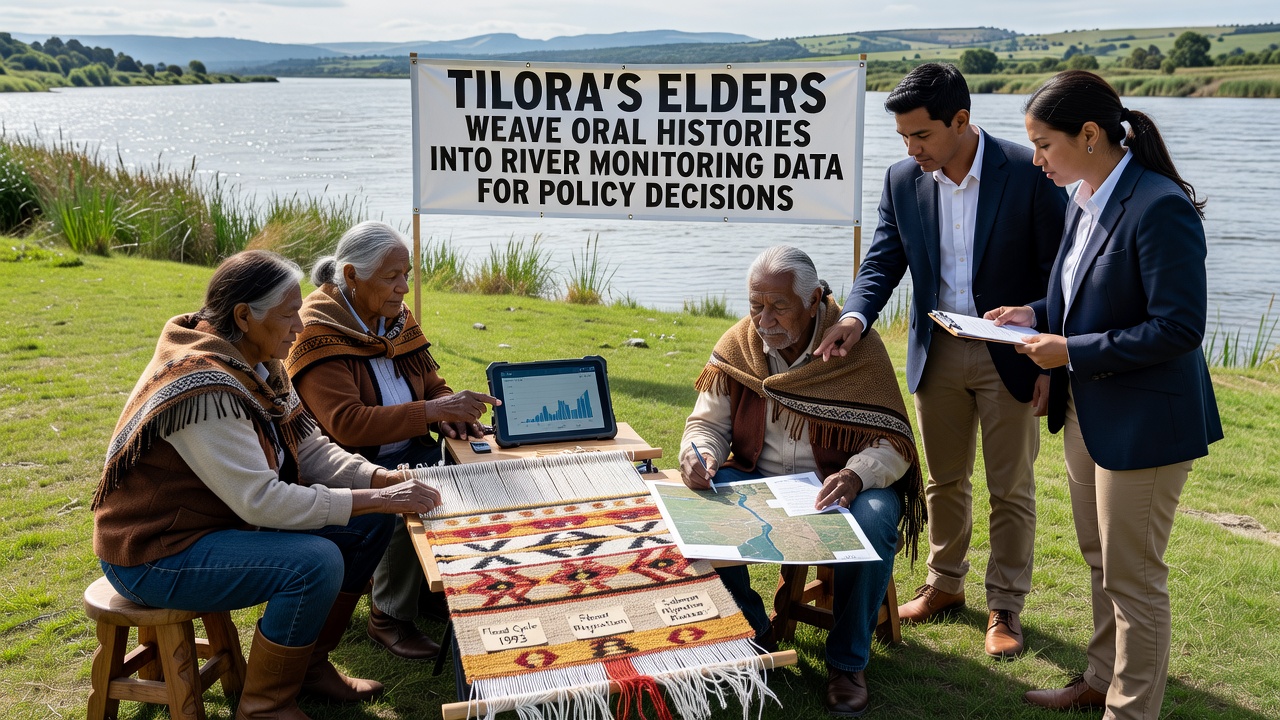
Local elders recount specific flood patterns, fish migration shifts, and seasonal water clarity changes that date back decades, yet these accounts align with continuous data streams from automated gauges installed along the main river channel, and researchers cross-reference both sources to identify trends that single-method monitoring often misses, according to a collaborative report prepared by the Tilora River Basin Authority.
Teams collect oral accounts through structured seasonal interviews conducted in community gathering spaces, while digital loggers capture temperature, turbidity, and flow velocity at fifteen-minute intervals, and the resulting datasets undergo joint analysis sessions where elders verify anomalies flagged by algorithms.
Integration Process and Data Handling
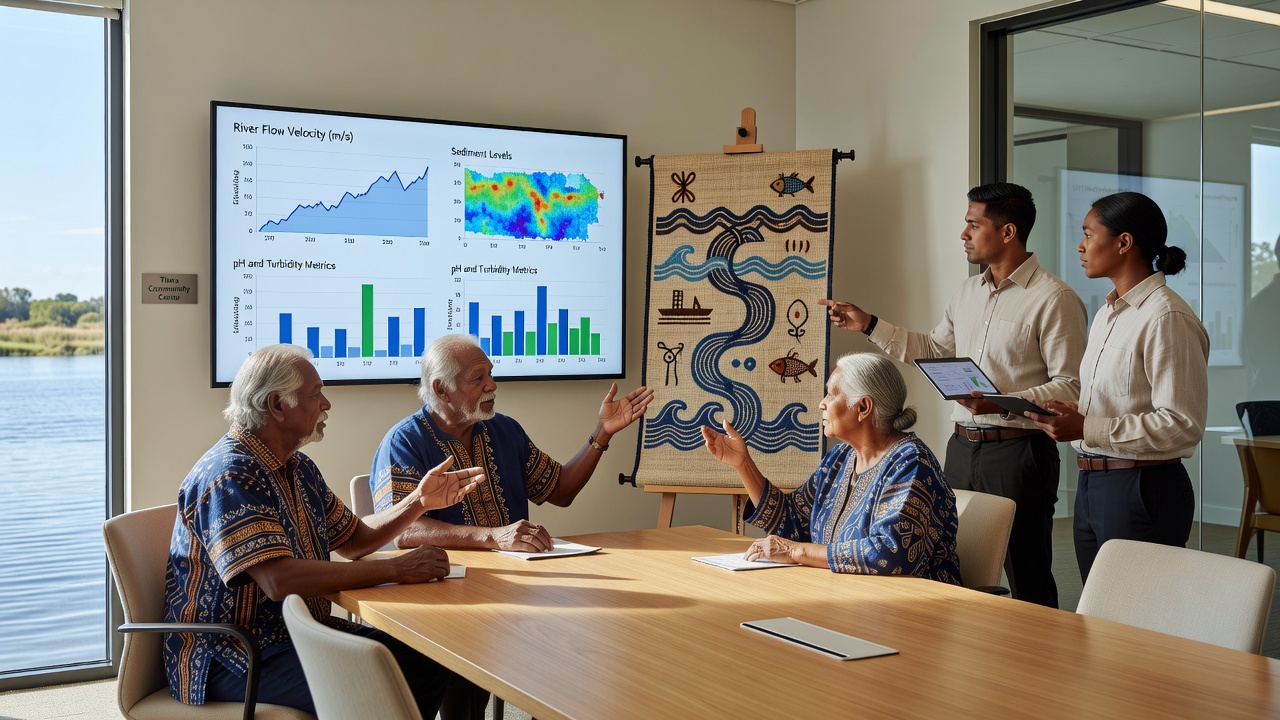
Technicians upload sensor outputs to a shared platform that tags entries with geographic coordinates, and elders then add narrative layers describing upstream events such as landslides or unusual ice melts that explain sudden spikes, whereas software tools developed by the regional university map these stories onto time-series graphs for visual comparison.
Training workshops held each spring teach younger residents how to transcribe spoken details into standardized fields without altering original meaning, and the same sessions cover basic sensor maintenance so that community members can perform routine calibrations independently.
Policy Applications and Recent Outcomes
Regulators used the combined dataset in 2025 to adjust seasonal extraction limits after elders described persistent low-flow conditions that sensors alone had registered as within normal range, and the revised rules reduced agricultural withdrawals by eighteen percent during critical months, according to the Tilora Environmental Council.
Similar integration informed a habitat restoration project that prioritized planting sites identified through oral accounts of former spawning grounds, while sensor data confirmed improved oxygen levels following the plantings, and monitoring continues through 2026 to measure long-term effects.
Broader Regional Context
Observers note that comparable programs operate in parts of Canada and Australia where indigenous groups contribute to catchment management, and a Australian government water initiative publishes annual summaries showing how narrative inputs refine predictive models for drought response, yet Tilora's version remains distinctive because elders retain final review of every narrative entry before it enters the official database.
Funding for equipment upgrades arrives through a mix of national environmental grants and local levies, and the partnership agreement signed in 2023 requires annual public presentations where both data summaries and selected oral excerpts are presented side by side.
September 2026 Milestones
Preparations for the September 2026 policy update include a full audit of the five-year dataset, and planners expect to release an interactive map that layers oral history markers onto real-time sensor feeds for public access, while a parallel training module will extend the method to two additional tributaries.
University partners have begun testing machine-learning filters that flag discrepancies between spoken descriptions and quantitative readings so that follow-up interviews can occur promptly, and initial trials show a thirty-two percent reduction in unresolved anomalies.
Conclusion
The Tilora model demonstrates how structured inclusion of oral histories alongside sensor networks produces policy inputs that reflect both measurable conditions and lived experience, and the September 2026 release will test whether this approach scales to neighboring districts, while ongoing documentation tracks participation rates and data accuracy metrics across seasons.