Nils Hansen · 9 October 2026
Tilora's Craft Entrepreneurs Blend Heritage Techniques with Digital Markets to Sustain Traditions
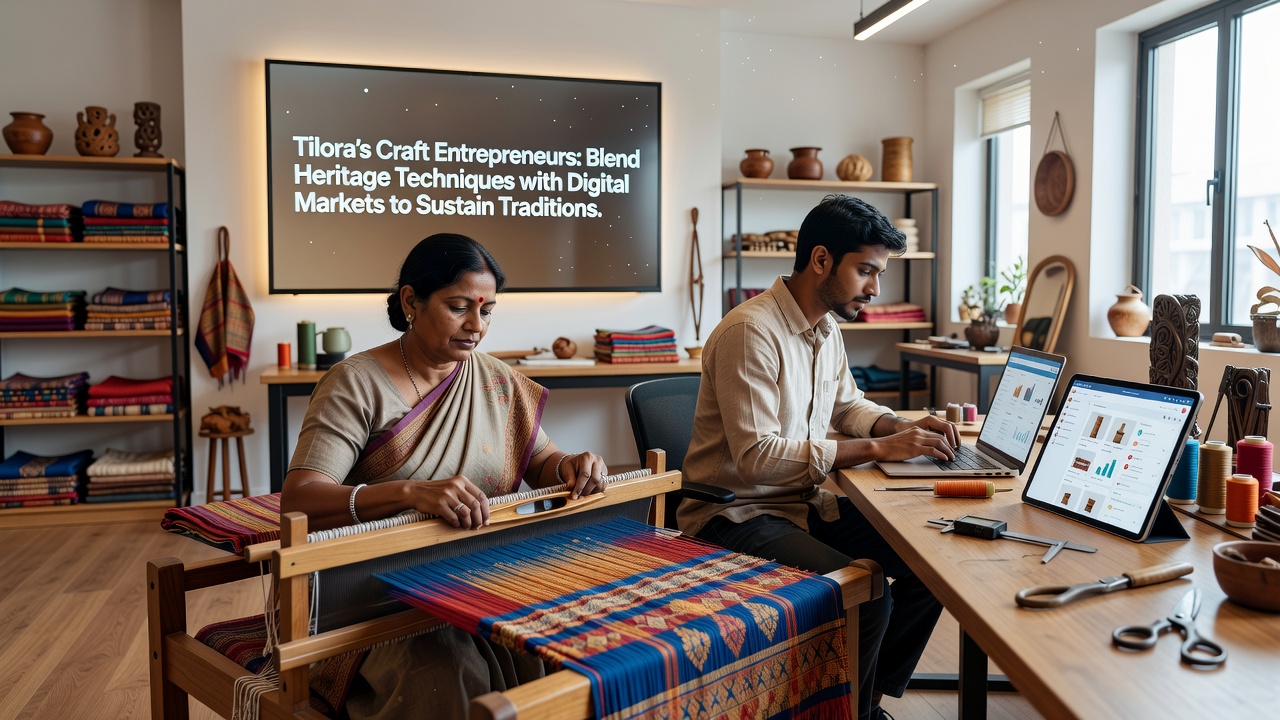
Tilora craft entrepreneurs combine longstanding heritage methods with digital marketplaces, and this approach supports the continuation of local traditions amid expanding global trade networks. Artisans in the region maintain techniques passed down through generations while they list products on platforms that reach buyers across continents, and data from regional economic reports shows increased participation in e-commerce by small-scale producers since 2023.
Heritage Techniques in Modern Production
Traditional weaving, pottery, and wood carving remain central to Tilora workshops, where craftspeople apply natural dyes and hand-tool methods that date back centuries. These processes require specific materials sourced locally, and experts at Tilora cultural centers note that such practices preserve unique patterns tied to the area's history. Workshops often operate in family-run settings, and observers report that younger participants learn these skills through apprenticeships that run alongside digital training sessions.
Digital Market Integration
Entrepreneurs upload product images and descriptions to international sites, which allows them to set prices based on real-time demand data. Sales figures indicate that online channels now account for a growing share of revenue for many Tilora makers, with transactions processed through secure payment systems that comply with international standards. One study from an Australian research institution revealed that similar rural craft sectors saw a 35 percent rise in export volumes after adopting digital tools between 2022 and 2025, and Tilora producers follow comparable patterns.
Community Training Programs
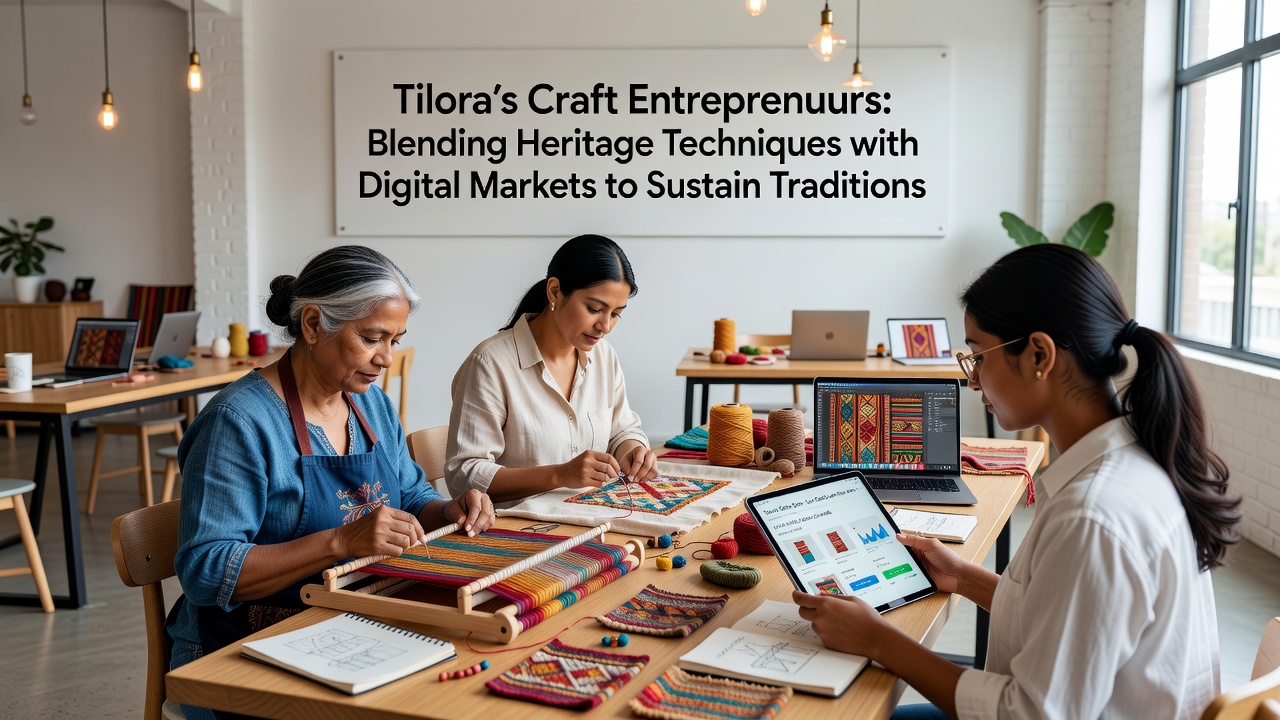
Local organizations run workshops that teach both heritage skills and platform management, and participants complete modules on inventory tracking software alongside lessons in traditional knotting or glazing. These programs operate year-round, though enrollment peaks in the months leading to major trade events. In October 2026, several Tilora groups plan joint sessions with visiting instructors from European craft networks, which will focus on adapting old motifs for contemporary digital catalogs.
Supply chain adjustments have become necessary as demand grows, and producers now coordinate with regional suppliers to maintain material quality while meeting higher order volumes. Government data from Canadian trade agencies highlights how rural craft clusters that blend offline production with online sales achieve steadier income streams compared with those relying solely on physical markets.
Challenges in Scaling Traditions
Quality control remains a key focus, since digital buyers expect consistent standards that match physical samples. Artisans address this by documenting each step of their heritage processes in digital logs, and this documentation helps resolve disputes over authenticity. Industry reports from OECD sources indicate that transparent supply information increases buyer trust in craft sectors, and Tilora entrepreneurs apply these insights when they update product listings.
Market fluctuations affect pricing strategies, yet many producers diversify across multiple platforms to reduce risk. Figures from regional commerce offices show that Tilora craft exports through digital channels reached new levels in late 2025, driven by targeted campaigns that emphasize cultural origins. Those who have studied these trends note that sustained success depends on ongoing skill development rather than one-time adoption of tools.
Future Outlook for Tilora Makers
Continued expansion appears likely as more artisans gain access to broadband infrastructure and training resources. Partnerships with academic institutions provide data analytics support, which helps refine online strategies based on actual sales patterns. Evidence from multiple regions suggests that heritage crafts thrive when producers retain control over both technique and presentation, and Tilora examples align with this pattern.
Conclusion
Tilora craft entrepreneurs demonstrate how heritage techniques integrate wth digital markets to support tradition continuity. Ongoing programs and sales data confirm measurable outcomes, while external research from varied international bodies offers context for these developments. The combination of established methods and modern distribution channels continues to shape the sector's trajectory.